Building a kids’ book can be fun, but making sure it’s engaging and age-appropriate is no easy task. If you’re dreaming of creating a tool that helps anyone turn ideas into colorful stories and pictures, you’re not alone. Keep reading, and I’ll show you how to build an AI kids’ book generator that’s simple, safe, and ready to share. Soon, you’ll see how platforms like sellaitool.com make it easy to find or sell these awesome tools.
Key Takeaways
Key Takeaways
- AI children’s book generators can create stories and pictures with simple prompts, saving time and costs for parents and publishers.
- Platforms like sellaitool.com offer a safe space to buy, sell, and list AI tools, helping creators reach a wider audience.
- Choosing the right AI tech, such as GPT-4 for stories and DALL·E 3 for images, is key to making engaging, age-appropriate books.
- Adding AI-generated pictures enhances book appeal; clear prompts and multiple versions ensure vibrant visuals.
- Personalizing stories with AI boosts children’s connection by including their names and interests naturally.
- Publishing options include print-on-demand services and digital platforms like Amazon KDP, making distribution easier.
- Supporting multiple languages with translation tools helps expand your book’s reach to global audiences.
- Gather feedback from testers to improve your AI tool, focusing on ease of use and story engagement.
- Market your AI children’s books with demo videos, social media, and collaborations to attract parents and educators.
- Using sellaitool.com can help find reliable AI tools or sell your own, with verified data and reviews for confident decisions.

What is an AI children’s book generator and why is it suddenly a big deal?
An AI children’s book generator is a tool that uses artificial intelligence to produce books for kids, complete with stories and illustrations, just from simple prompts or themes. It’s like having a super creative robot that can spin tales and draw pictures at the push of a button. These generators save time, cut costs, and open up endless possibilities for parents, educators, and publishers to create personalized content quickly. With almost 60% of children’s book publishers now using AI-generated images, this tech is gaining serious traction.
In 2025, an AI children’s book generator isn’t just a cool gadget—it’s becoming a must-have for anyone looking to stand out in the crowded kids’ publishing world. Whether you’re a DIY parent or a startup publisher, these platforms help craft engaging stories that resonate with young readers, all while being tailored to their interests. Plus, the ease of integrating vibrant, AI-created images means publishers can produce eye-catching books without hiring expensive illustrators.
Introducing sellaitool.com: a marketplace for AI tools, including children’s book creators
Thinking about jumping into the world of AI children’s book generators? Sellaitool.com is the perfect place to start. This marketplace isn’t just about buying and selling AI tools; it’s a hub where creators, entrepreneurs, and investors come together with verified AI solutions like children’s book generators, story writers, and illustration platforms.
For anyone building or selling AI children’s book tools, sellaitool.com offers a secure space with transparent data—think verified revenue figures, user reviews, and performance metrics. New developers can list their products easily, while buyers gain access to reliable tools backed by real-world results, like platforms such as **StoryWeaver AI** or **FableForge**. Whether you want to buy an existing tool or sell yours to a wider audience, it’s the place to grow your AI ecosystem confidently.
Select the right AI technology for your children’s book generator
Picking the best AI tech is key to creating a standout children’s book generator. You’ll want to look for platforms that combine robust natural language processing (NLP) for story writing and advanced image generation models for illustrations. Popular options include models like GPT-4 for storytelling and DALL·E 3 or Midjourney for images—these are the backbone of many top AI children’s book tools.
When evaluating AI tech, consider whether it can generate engaging, age-appropriate content and colorful illustrations efficiently. Also, check if the platform supports personalization features—like adjusting stories based on a child’s interests or adding their name—which are trending now. For example, AI story generators like **KidLit Creator** have been used by educators to produce personalized tales, making stories more meaningful and memorable for young readers.
In 2025, the smartest choice combines reliable language models with powerful image generators that create vibrant, appealing pictures. This combo ensures your books aren’t just functional but delightful. And don’t forget to choose AI that supports multiple languages if you want to reach kids worldwide!
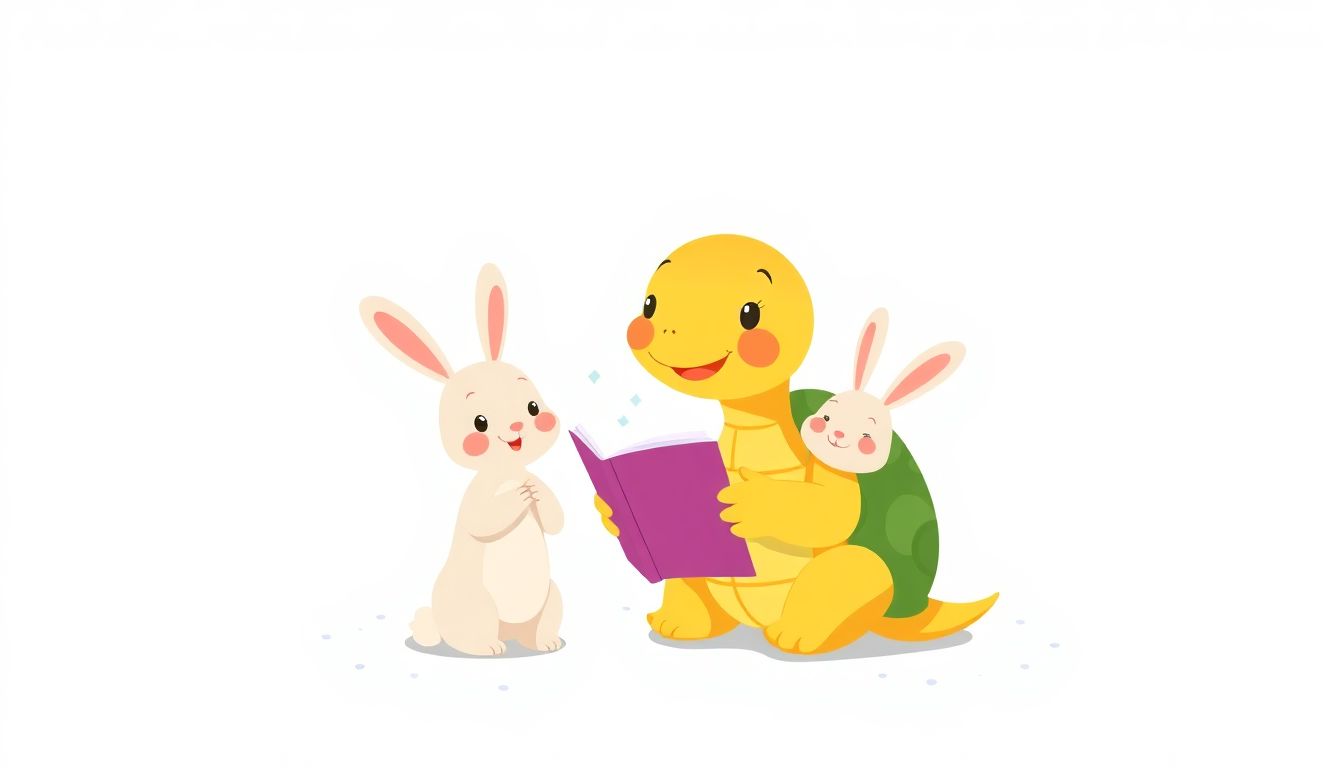
How to integrate AI-generated images into your children’s book to boost appeal
AI-generated images are now a staple in children’s books, with nearly 60% of publishers using them in some way.
To make your book stand out, choose AI illustration tools like DALL·E 3, Midjourney, or Artbreeder that can create colorful, engaging images fast.
Start by defining the style and mood of your illustrations before generating images—clear prompts produce more consistent results.
Once you have your images, optimize their size and resolution to fit your book format, and consider adding simple text overlays or borders to make them more appealing.
Don’t be afraid to generate multiple versions of each picture; picking the best one helps ensure your final product is lively and captivating for kids.
How AI personalization can make your children’s books more meaningful and fun
Personalized stories can deepen a child’s connection to a book, and AI makes this easier than ever.
You can use tools like StoryWeaver AI or custom AI scripts to insert a child’s name, hobbies, or favorite animals into stories automatically.
For example, a story about “Timmy the brave turtle” can become “Emma the curious rabbit,” making the reader feel more engaged.
To do this well, gather some basic information about the child then set up prompts that instruct the AI to incorporate these details naturally into the narrative or images.
This approach not only creates a unique experience for each reader but also encourages children to see themselves in the stories they love.
Strategies to publish and distribute your AI-created children’s book effectively
Publishing your book today involves both print and digital options, so think about your distribution channels early.
If you’re printing physical copies, partnering with print-on-demand services like Lulu or Printful can cut costs and simplify logistics.
For digital sharing, consider platforms like Amazon Kindle Direct Publishing or Apple Books to reach a broad audience.
Promote your book on social media, parenting forums, and educators’ networks—share behind-the-scenes videos of AI generating illustrations or stories to spark interest.
Gather feedback from early readers and use their input to refine your next edition or future titles, building a loyal audience over time.
How multilingual support can expand your children’s book reach across borders
Adding multiple languages to your children’s book can open doors to markets worldwide and grow your readership.
Use AI translation tools like DeepL or Google Translate integrated with your story generation platform to convert stories into various languages quickly.
For illustrations, check if your AI image tools support multilingual prompts or customize images to reflect different cultures, costumes, or settings for authenticity.
Remember, cultural accuracy matters—consider having native speakers check translations and visuals to respect local customs and appeal to diverse audiences.
This approach not only helps you reach a wider audience but also teaches children about different cultures in a natural way.
How to gather insights from user testing to improve your AI children’s book tool
Getting real feedback is key to refining your AI children’s book generator.
Start by inviting a small group of parents, teachers, and kids to test your platform, paying attention to ease of use and engagement levels.
Ask questions like: Do the stories feel age-appropriate? Are the images lively enough? Did the personalization work well?
Use their responses to tweak prompts, add features like adjustable reading levels, or improve image quality.
Always analyze how kids react—if they get excited or lose attention—and adapt your tool accordingly.
Remember, iterative testing ensures your platform becomes more intuitive and fun over time, increasing adoption.
How to effectively market your AI children’s book generator in 2025
Marketing today should focus on showcasing how your tool makes creating children’s books easy, personalized, and fun.
Create demo videos showing stories being spun up in seconds, and share testimonials from parents or teachers who love the results.
Partner with parenting blogs, educational websites, and social media influencers who work with kids.
Offer free trials or downloadable templates to attract new users and build trust through transparency and simplicity.
Participate in online conferences or webinars about children’s publishing and AI, positioning yourself as a helpful resource in this space.
Lastly, keep an eye on trends like AI personalization and multilingual support to keep your marketing message fresh and relevant.
How sellaitool.com can help you buy or sell AI children’s book tools safely and effectively
If you want to find ready-made solutions or sell your own AI children’s book generator, sellaitool.com is a great marketplace to explore.
It offers a secure environment with verified product data, user reviews, and performance metrics so you can make informed decisions.
For developers, listing your AI tool here can give you access to a wide audience of buyers looking specifically for children’s book creation solutions.
Buyers can sift through options like StoryWeaver AI or FableForge, compare features, and read real user experiences before making a purchase.
This platform simplifies the process, making it easier for creators and entrepreneurs to connect and grow their AI-driven children’s book businesses.
FAQs
AI technologies like text generation models and illustration tools are ideal. They help craft engaging stories and colorful images, making it easier to develop captivating children’s books efficiently.
Implement safety filters and set guidelines to prevent inappropriate content. Regularly review generated material to ensure it remains age-appropriate and aligns with children’s interests.
Yes, features like user input and customization options allow you to personalize characters, themes, and story elements, making each book unique and tailored to the reader’s preferences.
Focus on quality, safety, and compliance. Ensure content is age-appropriate, consider distribution channels, and use clear guidelines to maintain publisher standards for children’s books.