Hey! If you’re into digital marketing, you might wonder how AI can actually help you stand out. It’s easy to get overwhelmed by all the new tech, but the good news is that AI can make your marketing smarter and simpler. Keep reading, and I’ll show you straightforward ways to use AI in 2025 to get better results.
Stick with me, and you’ll see how AI can boost your content, personalize your offers, and even automate boring tasks. By the end, you’ll have some clear ideas on how to start or level up your AI game in your marketing efforts.
Here’s a quick preview: we’ll cover using AI for better search and content, personalizing customer experiences, running smarter ads, automating tasks, and preparing for future trends. Ready? Let’s jump in!
Key Takeaways
Key Takeaways
- AI helps improve search results and speeds up content creation with tools like ChatGPT, Jasper, and SurferSEO, making marketing easier and more efficient.
- Personalization is key in 2025—AI can analyze customer behavior to suggest products, customize content, and power chatbots, boosting engagement and sales.
- Use AI for smarter ad placement through programmatic platforms, targeting the right audiences and testing creatives to get better ROI.
- Automate routine marketing tasks like email follow-ups, social media posting, and lead scoring with AI tools, freeing up time for strategy and creativity.
- Be aware of challenges like data privacy and bias, and stay adaptable by choosing easy-to-integrate tools and paying attention to future AI trends to maintain a competitive edge.

1. Improve Search and Content Creation with AI
AI makes it way easier to find what you’re looking for online and create content faster.
Tools like **Google’s BERT** and **ChatGPT** help understand user queries better, so your content gets found more easily.
Marketers are using AI to generate blog posts, social media updates, and even product descriptions in a snap—93% of marketers report faster content creation with AI.
Actionable tip: Use AI content generators such as **Jasper** or **Copy.ai** to draft articles or social posts, then tweak for your voice.
Also, AI-powered SEO tools like **SurferSEO** can suggest keyword tweaks to boost your rankings and catch those featured snippets.
This is all about working smarter, not harder, and staying ahead in search results.
2. Use AI to Personalize Customer Experiences
Personalization is the name of the game in 2025. AI helps your website, emails, and ads feel like they’re made just for each visitor.
By analyzing user behavior, AI can suggest products, customize content, and even predict what customers want before they ask for it—making them more likely to engage or buy.
For example, Amazon’s recommendation engine, powered by AI, drives 35% of their sales. That’s no coincidence.
Pro tip: Integrate AI tools like **Optimizely** or **Dynamic Yield** to tune your website experiences based on user data.
Another trick: Use chatbots like **Drift** or **Intercom** to answer questions instantly, creating personalized, 24/7 support with a human touch.
Ultimately, AI makes your marketing less about guessing and more about knowing what each customer needs, right when they need it.
3. Enhance Advertising with AI-Driven Programmatic Ads
Want your ads to hit the right people at the right time? Then AI-powered programmatic advertising is your new best friend.
Instead of manually buying ad space, AI algorithms automatically bid and place ads across platforms like Facebook, Google, and others, optimizing for maximum impact and ROI.
According to recent stats, 90% of marketers are using AI for faster decision-making in ad campaigns.
Here’s how you can do it: Use platforms like **The Trade Desk** or **Adals** that leverage AI to target your audience based on data signals—like shopping habits or browsing behavior.
Bonus: AI can also help fine-tune your ad creatives by testing multiple versions to see what works best—saving you time and money.
By trusting AI for ad placements, you get more relevant audiences, less waste, and better conversions. Easy, right?
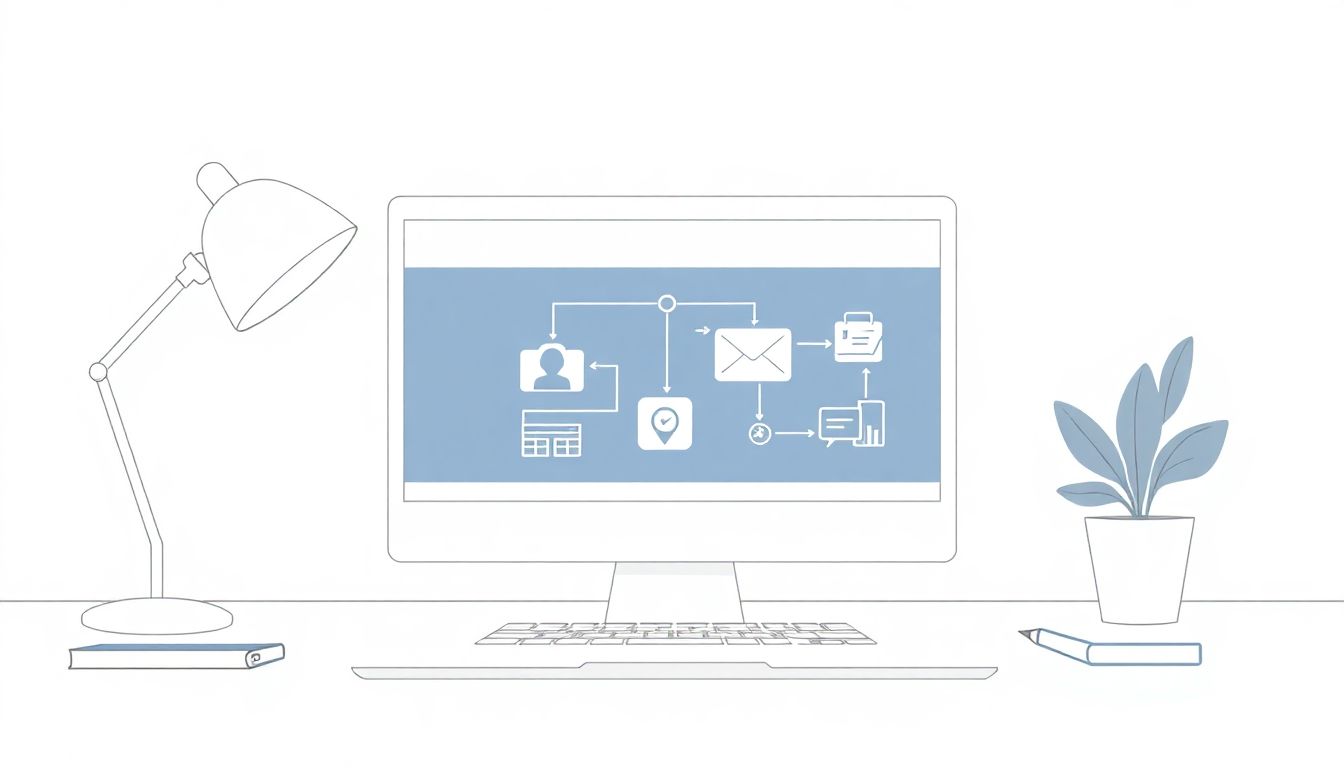
4. Automate Marketing Tasks Using AI Tools
Automation is a huge time-saver in 2025 — and AI makes it easier than ever to handle repetitive marketing tasks.
From scheduling social media posts to managing email campaigns, AI tools help you stay consistent without pulling your hair out.
Tools like **HubSpot** or **Marketo** can automatically segment your contacts, send personalized follow-ups, and even score leads based on behaviors.
This means you’re not wasting time on manual data entry or chasing cold leads.
Pro tip: Set up AI-driven workflows that trigger specific actions — for instance, sending a discount code when someone abandons their shopping cart.
This keeps your marketing efforts seamless and relevant, freeing you up for strategic thinking.
Another tip: Use AI chatbots such as **ManyChat** or **Botsify** to handle common customer questions 24/7, so your team can focus on higher-level tasks.
By automating routine work, your team can focus on creative ideas and campaigns that really move the needle.
5. Address Challenges and Prepare for Future Trends in AI Marketing
Getting started with AI isn’t all smooth sailing — there are hurdles like data privacy concerns, bias in algorithms, and integration issues.
However, being aware of these challenges now helps you avoid headaches down the road.
First, ensure your data collection complies with regulations like GDPR or CCPA — transparency builds trust with your customers.
Second, continually evaluate your AI models for bias and accuracy, and tweak them when necessary — bias can distort results and annoy users.
Third, choose AI tools that easily integrate with your existing platforms — a clunky setup will slow you down.
Looking ahead, expect AI to get even better at understanding customer intent, predicting trends earlier, and automating more complex tasks.
Stay curious, keep experimenting with new tools, and don’t be afraid to test small projects before scaling up.
Remember, the AI landscape shifts fast, so staying informed through blogs, webinars, and industry reports will keep you ahead of the curve.
And finally, embrace a mindset that’s flexible—what works today might change tomorrow, so be ready to pivot.
In the end, tackling challenges now sets a solid foundation for smarter, more efficient marketing in the future.
FAQs
AI helps optimize search results and generates relevant content efficiently, saving time and enhancing engagement. It uses algorithms to analyze user intent and produce tailored content that appeals to target audiences.
AI analyzes customer data to deliver customized content, offers, and recommendations. This creates more relevant interactions, increasing customer satisfaction and loyalty by catering to individual preferences.
AI enables real-time ad buying, targeting the right audience at the right time. It improves ad effectiveness, reduces costs, and increases conversions by optimizing placements automatically.
AI automates repetitive tasks like email campaigns, social media posting, and data analysis, freeing up time for strategic activities. It ensures faster, consistent execution and improves overall marketing productivity.